
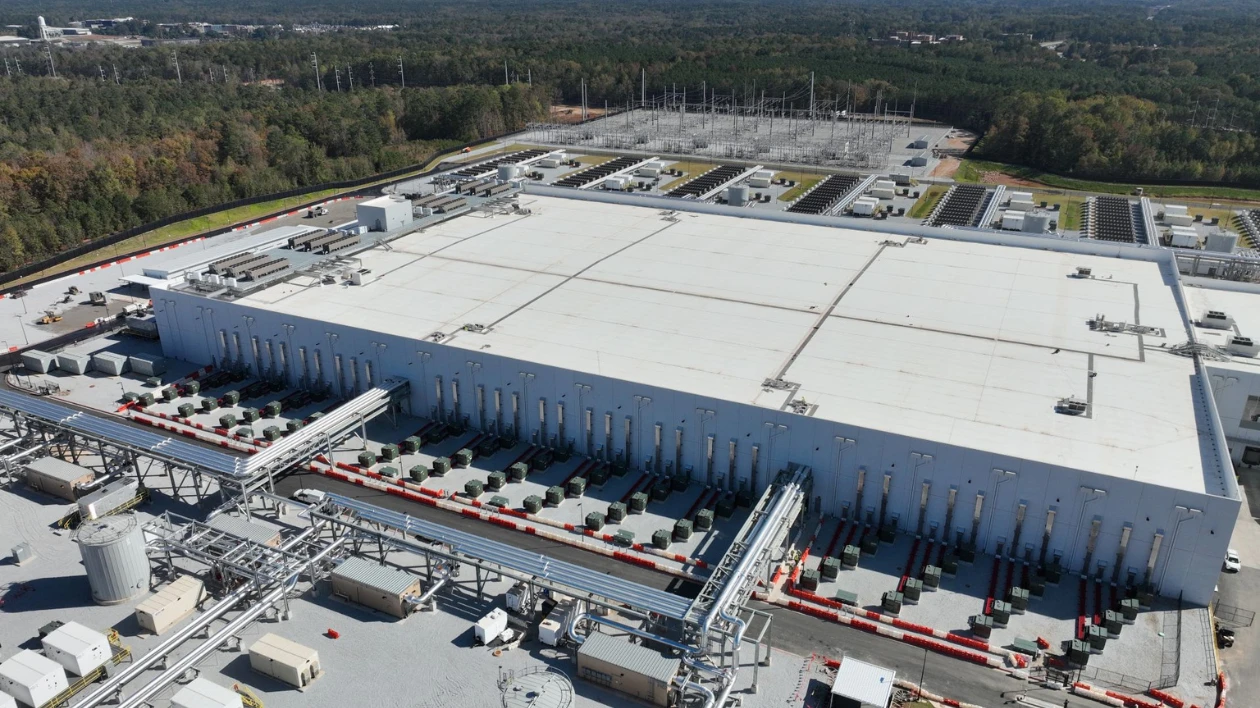
Every new generation of cloud infrastructure creates two jobs. We must deploy more capable systems quickly, and we must manage the hardware they replace responsibly.
Even though these jobs happen behind the scenes, the results matter to Microsoft Azure customers. Newer systems deliver more compute capacity from the space and power available in a datacenter. At the same time, the reuse, refurbishment, and recycling of older equipment can extend the life of valuable components and return materials to the supply chain, ensuring cost efficiency and reliability.
Managing this process starts early in the lifecycle, with the design of our silicon, servers, networks, and datacenters. It continues through years of operation. When equipment leaves active service, Microsoft Circular Centers help determine its next useful life.
With new Circular Centers in Newport, Wales, and Sydney, Australia, this work now spans North America, Europe, and Asia Pacific. These facilities help us recover components, prepare space for new infrastructure, and get more value from the hardware and materials already in our system.
Getting more from every rack and every watt
Cloud infrastructure must keep pace with the work customers want to run. That means increasing compute capacity while making better use of the space and power available in each datacenter.
Compared with early general-purpose systems, today’s servers provide significantly more processor cores, more memory capacity, and network bandwidth. As shown in the chart below, Azure infrastructure has become both denser and more efficient over time. Since 2014, core
…
Source: Microsoft Azure Blog (Published: Wed, 30 Sep 2026 15:00:00 +0000). Read the full article on the original site.


