This is an AI-generated summary based on the original report.
Key Highlights
- Streaming speech recognition is a crucial component of voice-controlled AI agents
- Turn detection allows the agent to identify when the user has finished speaking
- Streaming generation enables the agent to respond to the user in real-time
- Interruption handling is necessary to manage cases where the user interrupts the agent
- Building a voice-controlled AI agent involves integrating these components into a cohesive pipeline
Overview
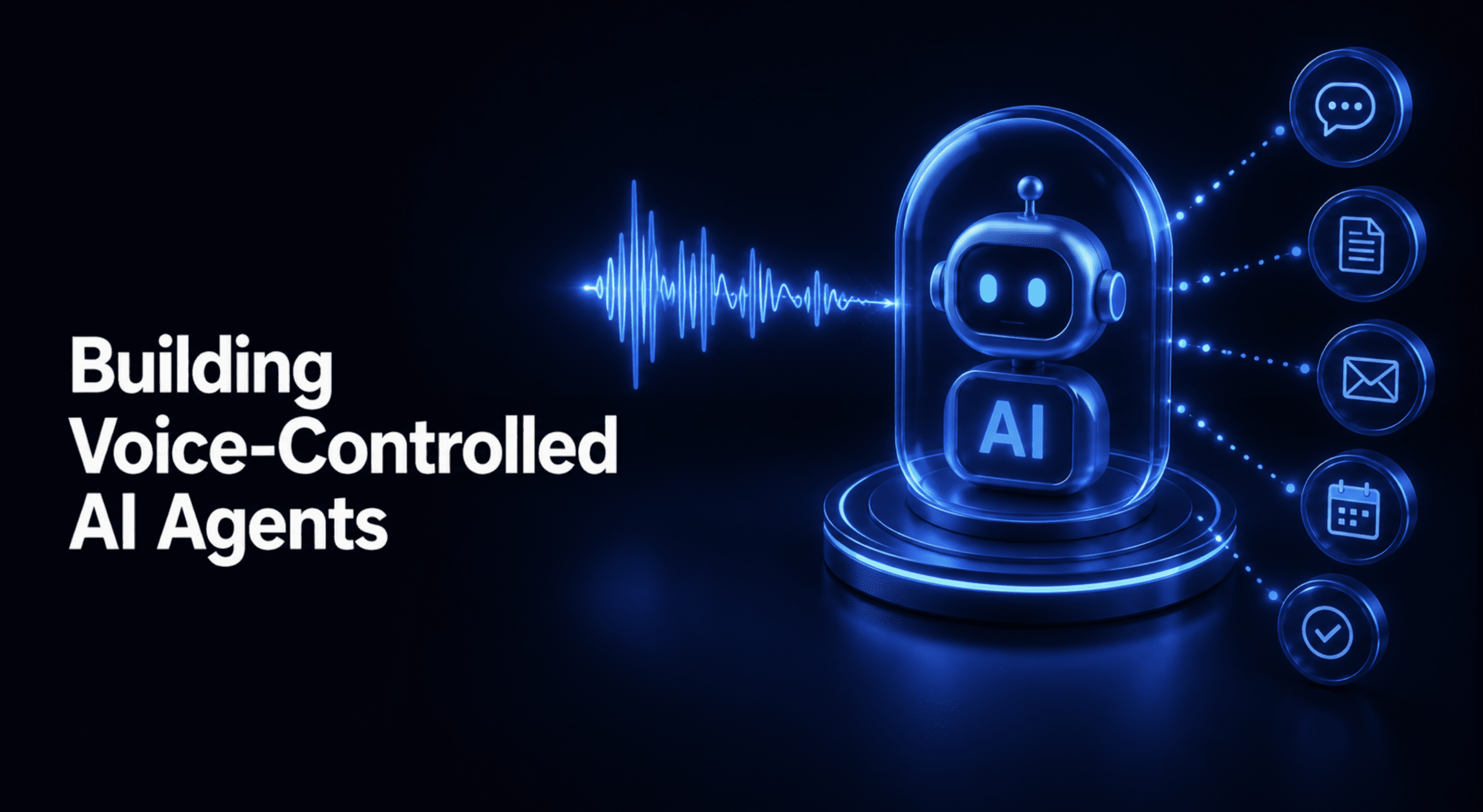
Building voice-controlled AI agents is a complex task that involves several key components. One of the most important is **streaming speech recognition**, which allows the agent to transcribe the user's speech in real-time. This is a critical component, as it enables the agent to understand the user's commands and respond accordingly.
Another important component is **turn detection**, which allows the agent to identify when the user has finished speaking. This is necessary to prevent the agent from responding prematurely, and to ensure that it responds to the user's entire command.
Once the agent has detected the user's turn, it can use **streaming generation** to respond to the user in real-time. This involves generating a response based on the user's command, and streaming it back to the user as audio.
Why It Matters
Building voice-controlled AI agents has a number of potential applications, from **virtual assistants** to **customer service chatbots**. By integrating streaming speech recognition, turn detection, and streaming generation, developers can create agents that are capable of understanding and responding to user commands in a natural and intuitive way.
One of the key benefits of voice-controlled AI agents is that they can be used to provide **hands-free interaction**, allowing users to interact with devices and systems without having to physically touch them. This can be particularly useful in situations where the user's hands are occupied, such as while driving or cooking.
Additionally, voice-controlled AI agents can be used to provide **personalized experiences** for users, by tailoring responses to the user's individual needs and preferences.
What's Next
As the technology behind voice-controlled AI agents continues to evolve, we can expect to see even more advanced and sophisticated agents in the future. One area of research that is likely to be important is **interruption handling**, which involves managing cases where the user interrupts the agent while it is speaking.
By developing more advanced interruption handling capabilities, developers can create agents that are more responsive and natural to interact with. This will be particularly important as voice-controlled AI agents become more widespread, and are used in a variety of different contexts and applications.
Overall, building voice-controlled AI agents is a complex task that requires careful integration of several key components. By understanding these components and how they work together, developers can create agents that are capable of providing **natural and intuitive interactions** with users.
Sources
For more information on building voice-controlled AI agents, visit the original article on KDnuggets.