This is an AI-generated summary based on the original report.
Key Highlights
- Building and deploying autonomous agents is a key area of focus in machine learning
- 7 machine learning algorithms are highlighted as still being relevant today
- Resources are available for beginners to learn about working with Claude Design and large language models
- Top AI tools for data analysis are recommended for use in 2026
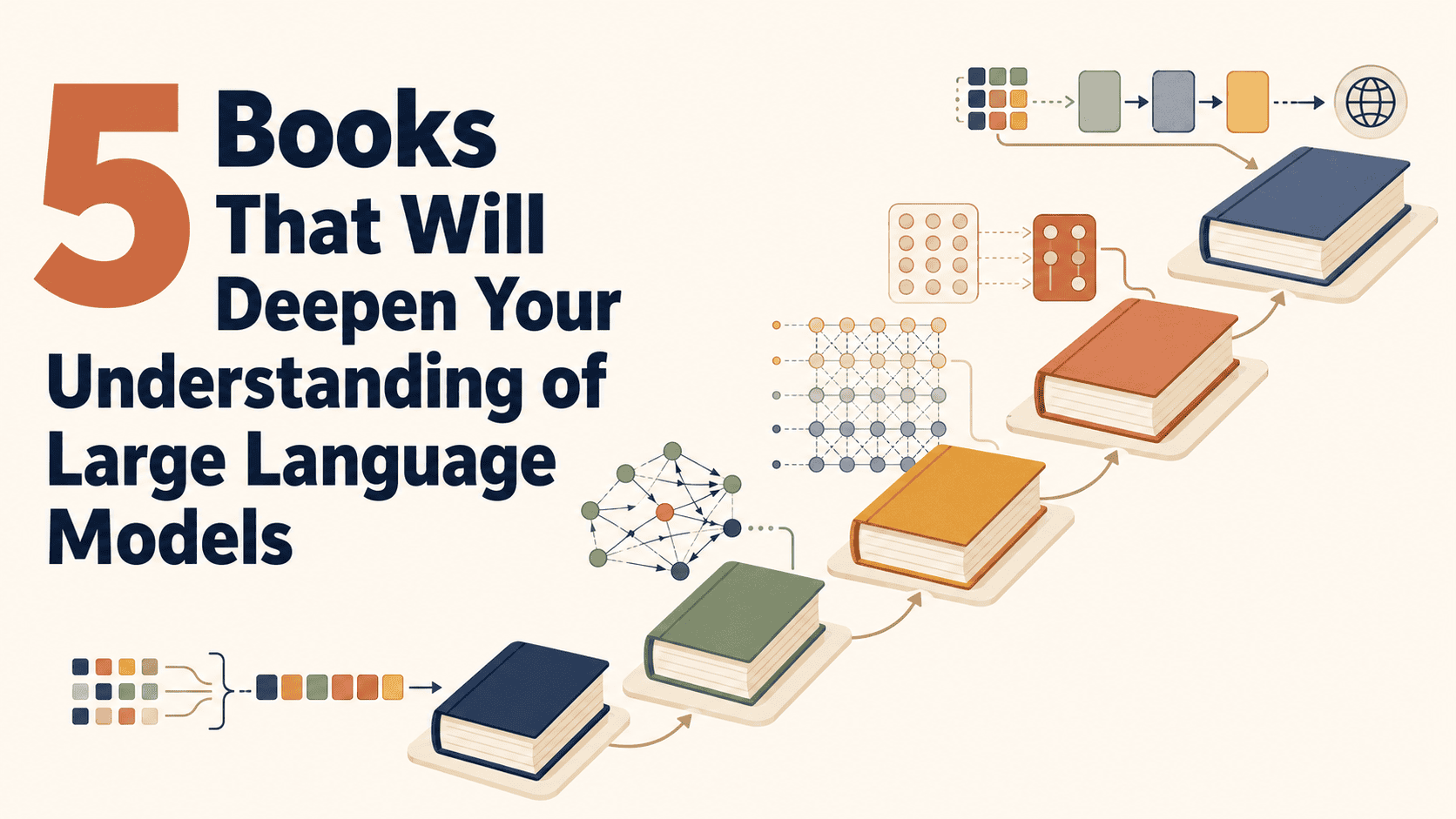
- Books are suggested to deepen understanding of large language models
Overview
The field of machine learning is constantly evolving, with new algorithms and techniques being developed all the time. However, some algorithms remain **essential** to the field, and are still widely used today. These include algorithms for **classification**, **regression**, and **clustering**, among others.
In addition to these algorithms, there are many resources available for beginners who want to learn about machine learning and AI. For example, guides are available for working with **Claude Design**, a tool that can be used to build and deploy autonomous agents. These guides can help beginners get started with building their own **machine learning models**.
Furthermore, there are many **AI tools** available for data analysis that can be used to gain insights and make predictions. These tools can be used in a variety of applications, from **business** to **healthcare**.
Why It Matters
The development of **autonomous agents** is a key area of focus in machine learning, with many potential applications. For example, autonomous agents can be used in **robotics**, **finance**, and **transportation**, among other areas. By building and deploying autonomous agents, businesses and organizations can automate tasks and make decisions more efficiently.
In order to build and deploy autonomous agents, it is necessary to have a strong understanding of machine learning algorithms and techniques. This includes understanding how to **train** and **test** models, as well as how to **deploy** them in real-world applications. Fortunately, there are many resources available to help beginners learn about these topics.
Additionally, **large language models** are becoming increasingly important in the field of machine learning. These models can be used for a variety of tasks, including **natural language processing** and **text generation**. By deepening their understanding of large language models, machine learning practitioners can build more sophisticated and effective models.
What's Next
As the field of machine learning continues to evolve, we can expect to see new algorithms and techniques being developed. For example, there may be increased focus on **explainability** and **transparency** in machine learning models, as well as on developing models that are more **robust** and **secure**.
In order to stay up-to-date with the latest developments in machine learning, it is essential to stay informed about new research and breakthroughs. This can be done by following **machine learning blogs** and **news outlets**, as well as by attending **conferences** and **meetings**.
By staying informed and continuing to learn about machine learning, practitioners can build more effective models and stay ahead of the curve in this rapidly evolving field. With the right **tools** and **resources**, anyone can get started with building and deploying their own **machine learning models**.
Sources
For more information about machine learning and AI, visit the KDnuggets website. KDnuggets is a leading publisher of machine learning and AI news, and provides a wealth of information and resources for practitioners and beginners alike.